
Europe's digital education transformation continues to create opportunities for the interactive display industry. However, as major funding programmes approach their final stages, the market is entering a period of both growth and adjustment.
European IFPD Market Shows Positive Growth in H1 2026
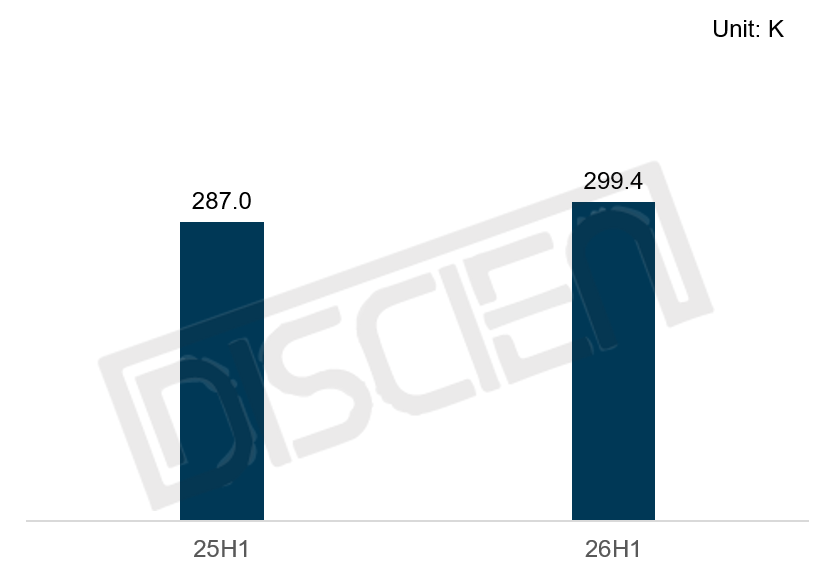
According to DISCIEN's market tracking, European IFPD shipments reached 299.4K units in the first half of 2026, representing 4.3% year-on-year growth.
Strong project deliveries in the first quarter supported overall market performance, although second-quarter shipments declined against a relatively high comparison base in 2025.
The positive first-half performance reflects continued demand for classroom digitalisation, supported by ongoing education investments across European markets.
Figure 1: 2025H1 & 2026H1 Europe IFPD Quarterly Shipments
Data source: DISCIEN Unit: K units, %
Digital Education: From Infrastructure Development to Classroom Integration
Across Europe, digital education has become an established policy priority.
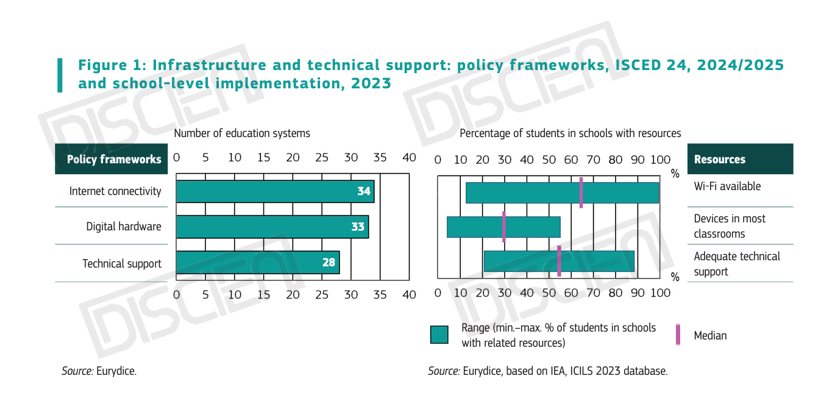
On September 21, 2026, the European Commission published its latest Eurydice report, Digital Education at School in Europe 2026. The report reveals that 33 European education systems have introduced policy frameworks supporting digital hardware provision, while 28 address technical support and 25 cover interoperability between digital platforms and systems.
Nevertheless, differences remain between policy objectives and actual classroom implementation. Access to devices, reliable connectivity and technical support still vary significantly across education systems.
This indicates that the next stage of digital education development will not focus solely on hardware availability, but also on improving the integration and effectiveness of classroom technology.
Figure 2: Digital Infrastructure Policy Frameworks and School-Level Implementation in Europe
Data source: Eurydice, IEA ICILS 2023 Unit: Number of education systems, %
RRF Funding Continues to Shape Education Investment
The EU's Recovery and Resilience Facility (RRF) has been one of the major funding mechanisms supporting digital transformation, including school infrastructure upgrades and classroom equipment procurement in several European countries.
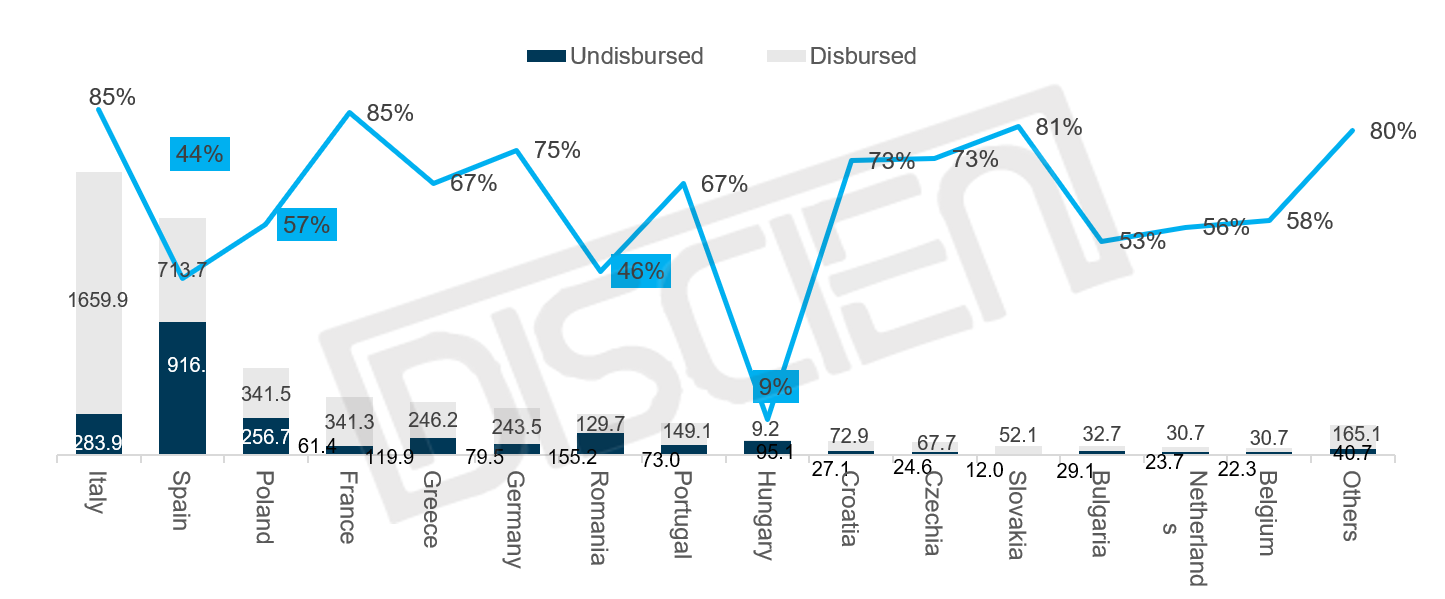
As of July 2026, approximately 73% of RRF grant funding had been disbursed, with implementation progressing at different speeds across member states.
As the RRF enters its final phase in 2026, the completion of existing investments and the transition towards other funding programmes will be important factors influencing future education technology demand.
Meanwhile, different national procurement structures and funding schedules are likely to create varying market opportunities across Europe.
Figure 3: EU RRF Funding Disbursement Progress, as of July 2026
Data source: EU, DISCIEN Unit: EUR 100 million, %
DISCIEN Forecast: Growth Opportunities Beyond 2026
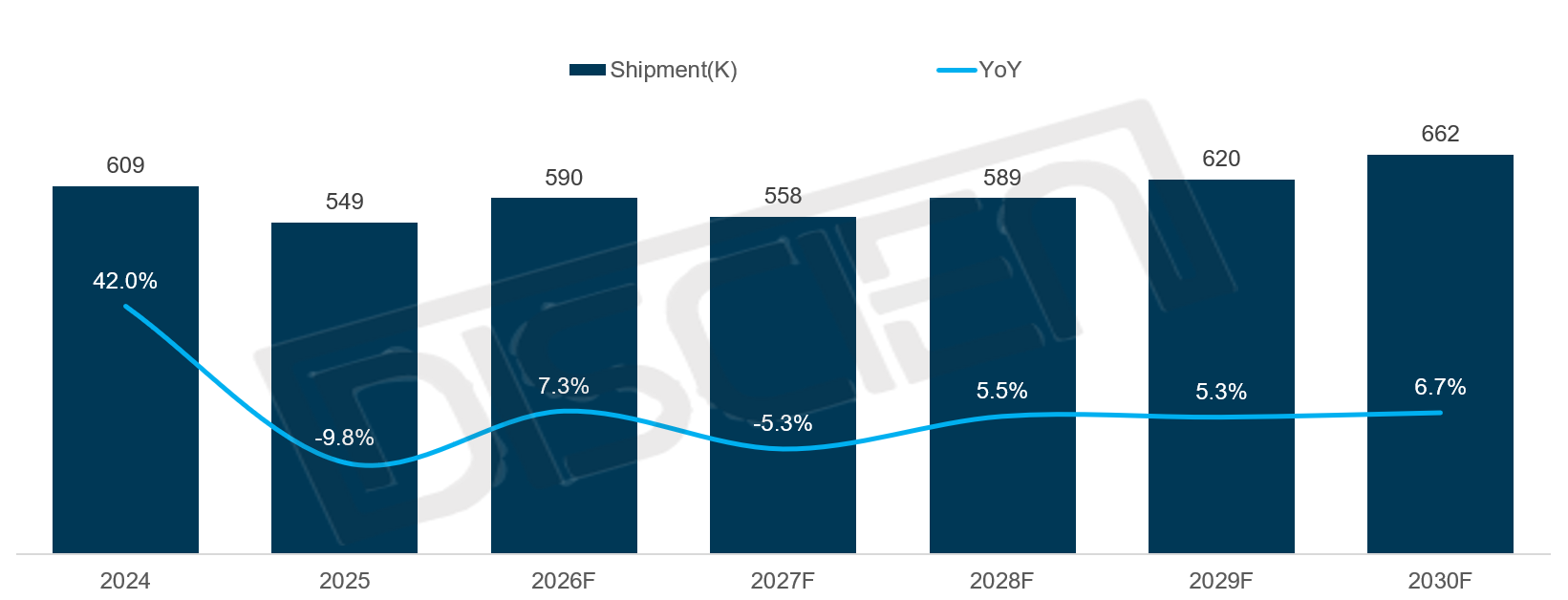
Looking ahead, DISCIEN forecasts that European IFPD shipments will reach approximately 590K units in 2026, growing 7.3% year-on-year.
However, the market is expected to experience a temporary adjustment in 2027, with shipments projected to decline by 5.3%, partly reflecting the changing funding environment and project implementation schedules.
From 2028 onwards, the market is expected to return to growth, with shipments forecast to reach 662K units by 2030.
These developments suggest that Europe's IFPD market will increasingly depend on the implementation of national digital education programmes, regional procurement activity and the next phase of classroom technology investment.
Figure 4: 2024–2030F Europe IFPD Shipment Forecast
Data source: DISCIEN Unit: K units, %
At DISCIEN, we continue to track regional IFPD shipments, education funding developments and procurement trends to provide comprehensive insights into the European market.
Stay connected with DISCIEN for more market intelligence and industry forecasts.